How Acupressure Is Used as a Complementary Approach to Lower Back Pain
Lower back pain remains one of the most stubborn disrupters of modern adult life. Whether sparked by an acute muscle strain from lifting, long hours confined to an unsupportive desk chair, or the slow structural wear of spinal disc degeneration, the resulting ache has a compounding effect. When the lower back tightens, the body instinctively moves into defensive mode: surrounding muscles contract to guard the area, blood flow constricts, posture warens, and even minor physical tasks feel daunting.
While modern medicine provides crucial interventions for severe spinal issues, routine back discomfort often leaves people cycling through nonsteroidal anti-inflammatory medications or heating pads with mixed results. This limitation has led many to seek integrative methods that address the neuromuscular roots of their discomfort without invasive procedures or systemic side effects. Acupressure has emerged as one of the most practical and accessible complementary therapies available. By stimulating specific anatomical locations with targeted manual pressure, acupressure encourages the body to release muscular tension, improve localized circulation, and recalibrate internal pain signals.
Bridging Traditional Principles and Modern Neurophysiology
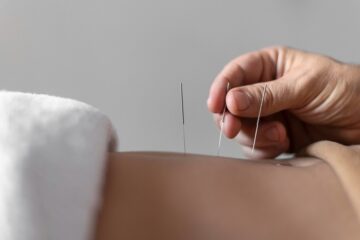
Originating as a primary branch of Traditional Chinese Medicine, acupressure relies on the same diagnostic mapping as acupuncture, substituting physical fingertip or knuckle pressure for stainless steel needles. Historically, practitioners described back discomfort as a stagnation of vital energy, or Qi, along meridian pathways that traverse the spine and lower limbs, primarily the Bladder and Gallbladder channels.
Modern medicine interprets these outcomes through a biological and neurological lens. Researchers and clinicians have noted an extraordinary anatomical overlap between classical acupressure points and myofascial trigger points—hyperirritable spots within taut bands of skeletal muscle fibers. When these points are palpated, they often refer discomfort to distant areas along predictable nerve pathways.
Rather than channeling mystical energies, acupressure applies mechanical pressure directly over bundles of nerve endings, small blood vessels, and dense connective tissue known as fascia. This focused mechanical stimulation initiates a cascade of physiological responses that help soothe overstimulated nerve fibers and relax chronically contracted muscle tissue.
Neuromuscular Mechanisms Behind Pain Reduction
Understanding why pressing a specific spot on the leg or hand relieves a deep ache in the lumbar spine requires looking at how the nervous system processes pain.
The Gate Control Theory
Under the gate control theory of pain, non-painful tactile input can suppress the transmission of painful sensations to the brain. When you apply firm, steady pressure to an acupressure point, you stimulate large-diameter mechanoreceptors (A-beta nerve fibers). These fibers transmit electrical signals to the dorsal horn of the spinal cord significantly faster than the smaller, unmyelinated fibers (C-fibers) that carry dull, chronic ache signals. By flooding the spinal relay station with tactile sensations, acupressure effectively closes the neurological gate, dampening the intensity of the pain signals reaching conscious awareness.
Natural Endorphin Release and Tissue Oxygenation
Deep, sustained manual pressure acts as a controlled stimulus that encourages the pituitary gland and central nervous system to release endogenous opioids, including endorphins and enkephalins. These natural biochemicals bind to the body’s opioid receptors, raising the pain threshold and fostering a systemic sense of physical relaxation.
At the local muscular level, sustained pressure temporarily reduces blood flow to a hypertonic muscle knot. When the pressure is released, fresh, oxygenated blood surges into the tissue—a phenomenon known as reactive hyperemia. This rush of circulation delivers vital nutrients, clears away accumulated metabolic waste products like lactic acid, and restores elasticity to ischemic, starved muscle fibers.
Crucial Acupressure Points for Lumbar Discomfort
Effective acupressure protocols for back pain rarely focus solely on the spot where the ache feels strongest. Because the spine is anchored by an interconnected kinetic chain of nerves and fascia, therapists frequently use both local points on the back and distal points located along the extremities.
-
Weizhong (BL 40): Situated directly in the crease at the center of the back of the knee. BL 40 is considered one of the premier command points for the lumbar region. Because the major sciatic nerve branches run through this popliteal space, stimulating this point helps relieve tension running down the posterior chain, taking stress off the lower spine and hamstrings.
-
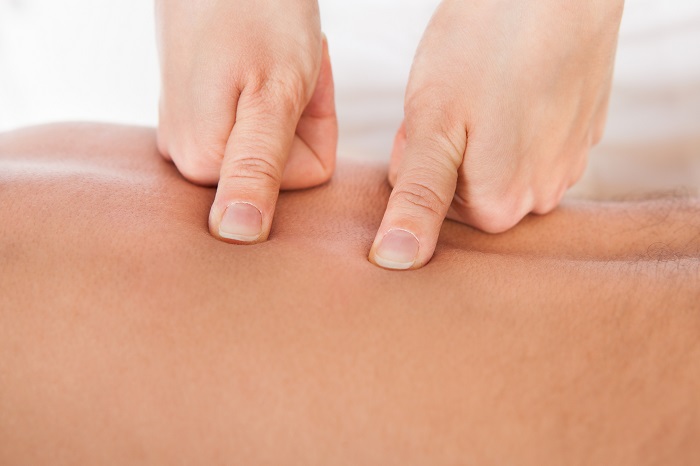
Shenshu (BL 23): Located roughly two finger-widths away from the spine on either side of the lower back, level with the lower edge of the second lumbar vertebra. Gentle, rhythmic pressure here helps loosen the deep erector spinae muscles and the quadratus lumborum, which often seize during postural fatigue.
-
Huantiao (GB 30): Positioned on the lateral side of the buttocks, about one-third of the distance between the prominent bone of the hip and the sacrum. This point targets the piriformis muscle. When the piriformis is tight, it can compress the sciatic nerve and refer sharp discomfort into the lumbar region and down the thigh; releasing it restores hip mobility.
-
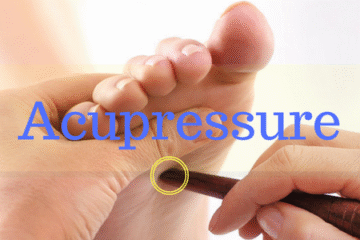
Yaotongxue: A set of two points located on the back of the hand between the metacarpal bones. These distal points are traditionally used for acute lumbar stiffness, providing an accessible target for self-treatment when touching the lower back directly is too uncomfortable.
Practical Guidelines for Safe Self-Application
One of the greatest advantages of acupressure is its portability. Unlike therapies requiring specialized clinic appointments, self-acupressure can be practiced at home, at an office desk, or during travel.
To practice effectively:
-
Find a comfortable posture: Sit or lie down in a supported position where your abdominal and spinal muscles can remain loose and unbraced.
-
Apply gradual pressure: Use the pad of your thumb, the knuckle of your index finger, or a firm massage ball against the chosen point. Slowly sink into the tissue rather than jabbing abruptly.
-
Gauge sensation carefully: You should feel what practitioners describe as a dull, heavy, or slightly aching sensation known as deqi. It should feel like a productive release, never sharp, burning, or excruciating.
-
Hold with intention: Maintain continuous, steady pressure for one to two minutes while practicing slow, diaphragmatic breathing. Prolonged exhalations help stimulate the parasympathetic nervous system, speeding up muscular relaxation.
-
Release smoothly: Ease off the pressure slowly to allow fresh circulation to refill the compressed tissue.
While acupressure is safe for most people, caution is essential. Avoid applying deep pressure directly over acute bone fractures, open wounds, varicose veins, or the abdominal and lower pelvic areas during pregnancy. Individuals with severe spinal instability, acute disc herniations with progressive numbness, or osteoporosis should consult their primary physician before beginning any deep manual work.
Integrating Acupressure into a Comprehensive Recovery Strategy
Acupressure works best when viewed not as a standalone miracle cure, but as a valuable tool within a broader recovery toolkit. A rigid lower back rarely exists in isolation; it is usually tied to weak gluteal muscles, underactive deep core stabilizers, stiff thoracic joints, and long periods of daily stillness.
Using acupressure to down-regulate pain and quiet protective muscle guarding creates a critical window of opportunity. Once the sharpest edge of the spasm has softened, gentle movement becomes possible. Following a brief acupressure session with gentle pelvic tilts, hip mobility work, and structured core stabilization exercises yields far better long-term outcomes than passive rest alone.
By addressing muscular tension at the neuromuscular level, acupressure shifts back care from a reactive scramble for temporary relief into an empowered, proactive habit. It offers individuals a direct, drug-free way to listen to their bodies, break the cycle of chronic muscle guarding, and reclaim comfortable, fluid movement.