
Acupressure: Unlocking the Healing Power of Targeted Pressure Points
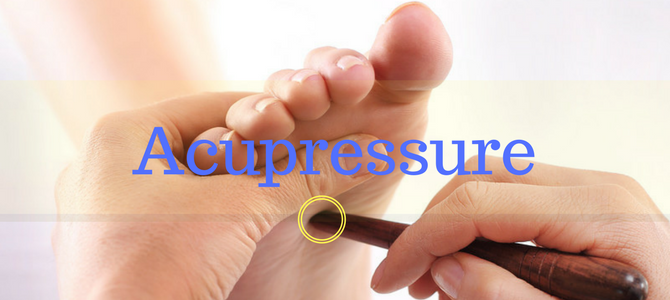
Acupressure is an ancient healing technique that has been practiced for thousands of years, originating from Traditional Chinese Medicine (TCM). It involves applying focused pressure to specific points on the body to stimulate energy flow, known as Qi, and restore balance. Unlike acupuncture, acupressure does not require needles, making it a non-invasive and accessible method for promoting overall wellness. This article explores acupressure in depth, examining its history, mechanisms, applications, and benefits with evidence-backed insights.
Understanding the Principles of Acupressure
Acupressure is rooted in the concept of meridians, which are pathways in the body through which energy flows. These meridians correspond to organs and physiological systems, and any disruption in energy flow can result in physical or emotional imbalance.
- Qi (Vital Energy): Qi is considered the vital life force that sustains the body. Acupressure helps to unblock or redirect Qi to maintain optimal health.
- Pressure Points (Acupoints): The human body has hundreds of acupoints, each linked to specific organs or functions. Applying pressure to these points can help alleviate pain, improve circulation, and reduce stress.
- Balancing Yin and Yang: Acupressure works on the principle of balancing opposing forces in the body, known as Yin and Yang, to promote holistic well-being.
How Acupressure Works
While rooted in traditional beliefs, modern research has begun to reveal physiological mechanisms that may explain acupressure’s effectiveness:
- Stimulation of Nerve Endings: Pressing acupoints activates nerve fibers that signal the central nervous system, which may lead to the release of neurotransmitters and endorphins, natural pain-relieving chemicals.
- Improved Blood Circulation: Applying pressure can increase blood flow to targeted areas, enhancing oxygen and nutrient delivery while aiding in detoxification.
- Reduction of Muscle Tension: Acupressure relaxes tight muscles and fascia, improving flexibility and mobility.
- Regulation of Hormones: Some studies suggest that acupressure can influence hormone levels, including cortisol, which helps reduce stress and anxiety.
Key Acupressure Techniques
Acupressure can be performed using various techniques depending on the desired outcome:
- Finger Pressure: The most common method, where fingers, thumbs, or knuckles are used to apply steady pressure on acupoints.
- Palm Pressure: Utilizing the palm allows for broader pressure application, suitable for larger muscle groups.
- Rotational or Circular Motion: Gentle circular motions can enhance relaxation and stimulate energy flow more effectively.
- Massage Stimulation: Combining acupressure with light massage techniques can help improve blood circulation and release muscular tension.
Common Acupressure Points and Their Benefits
Acupressure involves targeting specific points to address different health concerns. Some of the most effective and commonly used points include:
- LI4 (Hegu): Located between the thumb and index finger, it is widely used for relieving headaches, stress, and facial tension.
- PC6 (Neiguan): Situated on the inner forearm, three finger-widths from the wrist crease, it helps alleviate nausea, anxiety, and palpitations.
- ST36 (Zusanli): Found on the lower leg, four finger-widths below the knee, it is known to boost immunity, increase energy, and improve digestion.
- LV3 (Taichong): Located on the top of the foot, between the first and second toe, it supports liver function and helps reduce stress and irritability.
- GB20 (Fengchi): At the base of the skull on either side of the neck, it relieves headaches, neck stiffness, and eye strain.
Health Benefits of Acupressure
Acupressure has been associated with numerous physical, emotional, and mental health benefits. Scientific research, though still developing, supports many of these claims.
Physical Health Benefits
- Pain Relief: Acupressure is effective in managing chronic pain, including back pain, arthritis, and menstrual cramps, by stimulating endorphin release and relaxing muscles.
- Digestive Health: Certain points, such as ST36, enhance digestive function and can relieve symptoms of bloating, constipation, and indigestion.
- Immune System Support: Regular acupressure may help improve immune response by promoting circulation and reducing stress-related hormonal imbalances.
- Improved Sleep Quality: Acupressure can reduce insomnia by calming the nervous system and releasing tension, particularly when applied to points like HT7 (Shenmen) and SP6 (Sanyinjiao).
Emotional and Mental Health Benefits
- Stress Reduction: Acupressure has been shown to lower cortisol levels, helping reduce feelings of anxiety and promote relaxation.
- Mood Enhancement: Stimulating specific points may improve mood, alleviate depression symptoms, and support emotional balance.
- Mental Clarity: Improved circulation and reduced tension from acupressure can enhance focus, concentration, and cognitive function.
Specialized Applications
- Pregnancy Support: Acupressure can ease nausea, back pain, and labor discomfort when applied under guidance.
- Post-Surgery Recovery: Gentle acupressure may improve circulation, reduce swelling, and accelerate healing after surgical procedures.
- Headache and Migraine Management: Targeting points like LI4 and GB20 can reduce headache intensity and frequency.
Evidence and Scientific Research
A growing body of research supports acupressure’s effectiveness:
- A 2020 study published in the Journal of Pain Research found that acupressure significantly reduced chronic low back pain compared to standard care alone.
- Research in Complementary Therapies in Clinical Practice indicated that acupressure at PC6 effectively reduced chemotherapy-induced nausea in cancer patients.
- Studies on insomnia and stress management have demonstrated improvements in sleep quality and reductions in anxiety following regular acupressure sessions.
While more high-quality, large-scale studies are needed, current evidence suggests acupressure can be a complementary approach to conventional medical treatment.
Safety and Considerations
Acupressure is generally safe for most people when performed correctly, but certain precautions should be observed:
- Avoid applying strong pressure over broken skin, bruises, or varicose veins.
- Pregnant women should consult a healthcare provider before using acupressure, particularly near points that can induce labor.
- People with severe medical conditions, such as cardiovascular issues or fractures, should seek professional guidance before practicing acupressure.
How to Incorporate Acupressure into Daily Life
Acupressure can be practiced at home or with a licensed practitioner. Here are practical tips for incorporating it into a wellness routine:
- Daily Routine: Spend 10–15 minutes stimulating key points for relaxation, energy, or digestion.
- Self-Care Practices: Combine acupressure with deep breathing or meditation to enhance stress relief.
- Professional Sessions: Seek guidance from certified practitioners for personalized treatment plans, especially for chronic or complex conditions.
- Acupressure Tools: Use mats, rollers, or massage balls to target hard-to-reach points and enhance results.
Future Directions of Acupressure
Advances in research and integration with modern healthcare suggest that acupressure could become a mainstream complementary therapy:
- Integrative Medicine: Hospitals and wellness centers are increasingly combining acupressure with conventional therapies for pain management and stress reduction.
- Digital Health: Mobile apps and virtual training programs are emerging to guide users in proper acupressure techniques.
- Research Expansion: Ongoing clinical trials aim to better understand acupressure’s mechanisms and its applications in chronic illnesses, mental health, and preventive care.
Conclusion
Acupressure is a time-tested healing practice that offers a non-invasive, accessible way to promote physical, emotional, and mental wellness. By understanding meridians, stimulating acupoints, and incorporating proper techniques, individuals can experience a wide range of benefits, from pain relief and stress reduction to improved digestion and sleep. With growing scientific support and modern integration, acupressure stands as a valuable complementary therapy for holistic health and well-being.
FAQs About Acupressure
1. Can acupressure replace conventional medical treatment?
Acupressure is best used as a complementary therapy. It supports wellness but should not replace medical treatments for serious conditions.
2. How long does it take to feel results from acupressure?
Some people experience immediate relief, such as reduced tension or headache alleviation, while chronic issues may require consistent sessions over several weeks.
3. Are there acupressure points for improving energy levels?
Yes, points like ST36 (Zusanli) and LI10 (Shousanli) are known to boost vitality and combat fatigue when stimulated regularly.
4. Is it safe to perform acupressure on children?
Gentle acupressure is generally safe for children, but parents should use light pressure and consult a pediatrician for serious concerns.
5. How often should acupressure be practiced?
Practicing daily or several times a week can maximize benefits, though individual needs may vary based on health conditions and goals.
6. Can acupressure help with emotional well-being?
Yes, acupressure has been shown to reduce stress, anxiety, and improve mood, particularly when combined with mindfulness or relaxation techniques.
7. Are there any tools to assist with acupressure at home?
Acupressure mats, massage balls, and handheld rollers can help reach specific points more effectively and enhance self-care routines.


