
The Importance of Maintaining Healthy Blood Pressure Through Lifestyle Changes
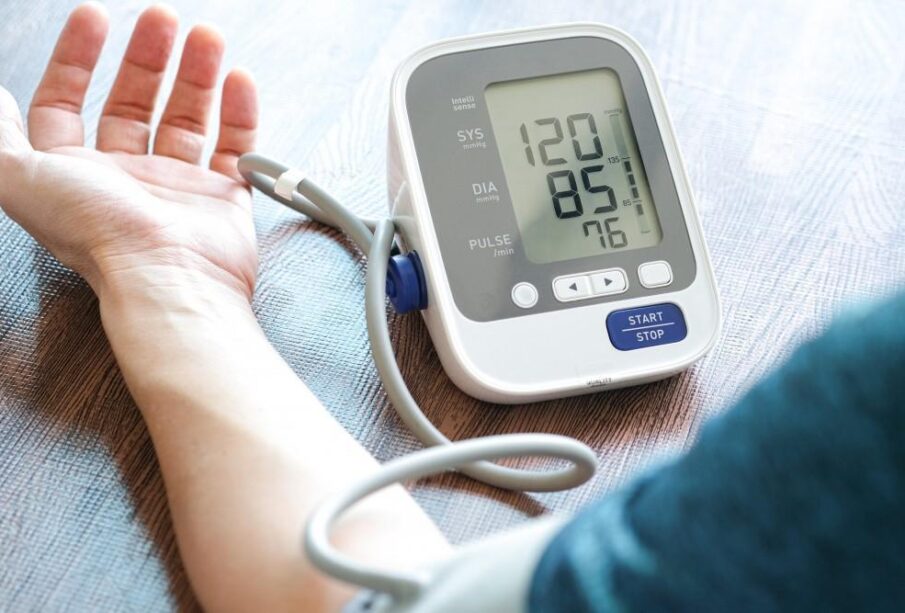
Blood pressure is deceptively easy to ignore because elevated numbers rarely announce themselves with physical pain. You can walk through an entire decade with readings creeping upward while feeling energetic, capable, and outwardly healthy. This deceptive silence is why chronic hypertension remains one of the primary drivers of premature cardiovascular events worldwide. It is not an abstract metric or an isolated lab value; it is a direct measure of the physical mechanical force exerted against the walls of your vascular network every single time your heart beats.
When that pressure stays elevated day after day, the delicate inner lining of your blood vessels suffers continuous micro-trauma. Left unaddressed, this structural wear leads to irreversible remodeling of your arteries, overworks the heart muscle, and jeopardizes critical organs like the brain and kidneys. While modern pharmaceutical interventions can effectively force those numbers downward, medication works best as a protective safety net, not a substitute for the biological foundations that maintain vascular tone. Sustainable lifestyle changes tackle the root physiological drivers of elevated pressure, restoring flexibility to your arteries and giving your heart the operational environment it was built to handle.
The Hidden Toll of Unchecked Vascular Pressure
To appreciate why lifestyle interventions are so critical, you have to understand what high pressure actually does to arterial tissue. Arteries are not rigid plastic pipes; they are dynamic, muscular tubes lined with a specialized single layer of cells known as the endothelium. In a healthy body, these vessels expand and contract with fluid elasticity to regulate blood flow and cushion the pressure wave generated by each ventricular contraction.
When systemic pressure runs consistently high, that elasticity steadily degrades. The persistent mechanical pounding causes microscopic tears in the endothelial barrier. The body attempts to patch this damage using white blood cells, smooth muscle cells, and circulating lipids, laying down fibrous scar tissue. Over time, this inflammatory healing cascade develops into dense atherosclerotic plaque, narrowing the arterial lumen and making the vessel walls stiff and brittle.
This stiffness creates a vicious cycle. As arteries lose their ability to widen during exertion or stress, the heart must generate even higher pressure to pump blood through the narrowed, resistant network. The left ventricle of the heart thickens in response to the chronic resistance—a condition called left ventricular hypertrophy—which eventually reduces the chamber’s efficiency and predisposes it to heart failure. At the same time, delicate microvascular beds throughout the kidneys and brain take the brunt of this turbulence, increasing the risk of chronic renal disease, small-vessel stroke, and vascular dementia.
Rethinking Nutrition Beyond Simple Salt Restriction
For decades, conventional wisdom reduced dietary blood pressure management to a single directive: throw away the salt shaker. While sodium sensitivity is a genuine physiological reality for many individuals, focusing solely on removing table salt misses the broader picture of mineral balance and cellular hydration.
The Sodium-to-Potassium Ratio
Your kidneys maintain fluid balance through a precise biological exchange between sodium and potassium. Sodium draws water into the bloodstream, expanding overall blood volume and elevating hydrostatic pressure against arterial walls. Potassium acts as the natural counterbalance, signaling the vascular walls to relax and encouraging the kidneys to flush excess sodium out through the urine.
The modern Western diet is notorious for delivering an overwhelming excess of refined sodium while remaining severely deficient in potassium. Restoring vascular balance requires less obsession over pinch-of-salt cooking and far more attention to whole, potassium-dense foods. Incorporating foods like sweet potatoes, spinach, avocados, winter squash, lentils, and bananas creates the intracellular conditions necessary for natural vasodilation.
Fueling Endothelial Nitric Oxide
Beyond minerals, what you eat directly dictates your body’s ability to produce nitric oxide, a vital signaling molecule synthesized by endothelial cells that instructs vascular smooth muscle to relax. Diets rich in naturally occurring dietary nitrates—found in abundance in arugula, beets, Swiss chard, and celery—fuel this vasodilatory pathway. When paired with polyphenol-rich fruits, dark cocoa, and extra-virgin olive oil, the endothelial lining receives the antioxidant protection it needs to keep producing nitric oxide efficiently instead of degrading under oxidative stress.
Conversely, ultra-processed foods packed with refined sugars, hydrogenated fats, and excessive chemical preservatives trigger systemic, low-grade inflammation. This inflammatory state directly degrades the endothelial wall, blunting its ability to dilate and causing arterial tone to remain locked in a semi-constricted state.
The Exercise Prescription for Arterial Elasticity
Physical movement functions as a direct structural therapy for the cardiovascular system. When you engage in deliberate exercise, your heart rate and stroke volume rise, forcing a higher volume of blood through your circulatory system. The friction of this moving fluid creates a mechanical stimulus known as endothelial shear stress.
Rather than damaging the vessel, this controlled, rhythmic shear stress stimulates the endothelial lining to produce higher levels of nitric oxide and anti-inflammatory enzymes. Over weeks and months of consistent physical conditioning, this repeated stimulus remodels the arterial wall, restoring compliance and literally making stiff vessels more supple.
A balanced approach yields the strongest results:
Aerobic conditioning, such as brisk walking, rucking, cycling, or swimming at a moderate, conversational intensity, trains your vascular beds to open efficiently and stay open. Following a workout, most people experience a natural physiological phenomenon known as post-exercise hypotension, where blood pressure drops below baseline levels for up to twenty-four hours as blood vessels remain relaxed.
Resistance training complements aerobic work by building muscular mass that enhances glucose disposal and reduces metabolic resistance, both of which correlate directly with improved arterial compliance.
Isometric exercises, such as sustained wall sits or handgrip holds, provide a distinct mechanical stimulus. When muscles contract statically, they temporarily restrict local blood flow; once the tension releases, a rapid surge of blood rushes back in, triggering a powerful surge of vasodilatory compounds that can yield significant reductions in resting baseline pressure.
Regulating the Autonomic Nervous System and Sleep
You cannot separate blood pressure from the state of your central nervous system. The autonomic nervous system toggles between two primary states: the sympathetic mode, responsible for the fight-or-flight response, and the parasympathetic mode, which governs rest, recovery, and digestion.
When you live under constant psychological stress, your body pumps out sustained levels of cortisol, adrenaline, and noradrenaline. These hormones trigger ongoing peripheral vasoconstriction, quicken heart rate, and tell the kidneys to retain fluid. The body behaves as though it is surviving an emergency that never ends, keeping the circulatory system perpetually pressurized.
Restoring parasympathetic dominance is essential for lowering baseline vascular tension. Incorporating deliberate, daily physiological down-regulation—through slow diaphragmatic breathing, structured meditation, time in natural environments, or completely unplugged downtime—quiets sympathetic nerve firing and allows vascular smooth muscle to release its grip.
Sleep is equally non-negotiable. During normal, restorative sleep, the human body enters a state known as nocturnal dipping, where blood pressure drops naturally by ten to twenty percent. This nocturnal dip provides a mandatory, multi-hour respite for your heart and major vessels. If you suffer from chronic insomnia, severe sleep fragmentation, or undiagnosed sleep apnea, your circulatory system is denied this essential downtime. Individuals who do not experience nocturnal dipping show significantly higher rates of stroke and cardiovascular remodeling compared to sound sleepers.
The Compounding Value of Consistency
The most encouraging reality of cardiovascular physiology is that arterial tissue is exceptionally responsive. Blood vessels respond rapidly to changes in daily behavior. A modest, sustained drop of just five points in systolic blood pressure significantly reduces the long-term risk of stroke, heart attack, and heart failure.
Reclaiming healthy blood pressure does not require extreme lifestyle overhauls that leave you exhausted or isolated. It requires steady, deliberate habits: prioritizing real, potassium-rich foods, moving your body daily, protecting seven to eight hours of uninterrupted sleep, and learning to modulate your nervous system against modern stress. By treating your daily habits as the primary medicine for your vascular system, you protect your arterial integrity today and secure your long-term cardiovascular vitality for decades to come.