
The Role of Acupressure in Supporting Relaxation and Healthy Digestive Habits
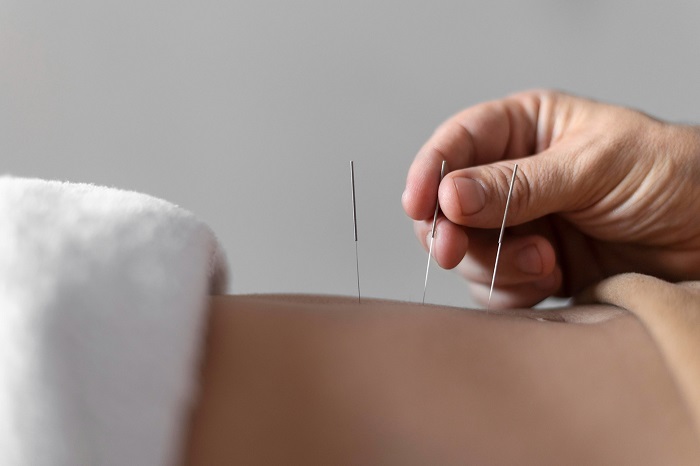
The relationship between the mind and the digestive tract is immediate and unmistakable. A sudden surge of worry can tie the stomach in knots, while chronic daily tension frequently shows up as sluggish digestion, uncomfortable bloating, or irregular appetite. For centuries, traditional wellness systems have treated emotional equilibrium and gastrointestinal function as inseparable parts of the same operational loop. Modern physiology confirms this through the gut-brain axis, demonstrating that the body cannot properly break down food or absorb nutrients when trapped in a state of high alert.
Acupressure offers a practical, non-invasive method for restoring balance to this shared network. By applying targeted manual pressure to specific anatomical points, you can encourage the nervous system to shift down into a restorative state while directly stimulating digestive pathways. Understanding how this ancient somatic practice interacts with modern digestive habits can help you cultivate a calmer body and a more resilient gut.
The Gut-Brain Connection: Why Relaxation Drives Digestion
To understand why acupressure influences digestion, one must first examine the autonomic nervous system. This regulatory network operates primarily through two opposing branches: the sympathetic nervous system and the parasympathetic nervous system.
The sympathetic branch governs the fight-or-flight response. When work demands, emotional conflicts, or sensory overload trigger this pathway, the body redirects resources toward survival. Blood flow shifts away from the abdominal viscera and toward the large muscle groups, heart rate accelerates, and the production of digestive secretions drops dramatically. If you eat during this state, food sits in a compromised digestive tract, leading to indigestion, gas, and cramping.
The parasympathetic branch, often termed the rest-and-digest system, performs the opposite function. Mediated largely by the vagus nerve, parasympathetic activation slows the heart rate, dilates visceral blood vessels, and stimulates peristalsis—the wave-like muscular contractions that move matter through the intestines. Acupressure serves as a physical trigger for this parasympathetic shift. By stimulating peripheral nerve endings and mechanoreceptors in the skin and muscle tissue, acupressure interrupts chronic stress loops, signaling the central nervous system to quiet down and allow normal visceral processes to resume.
How Acupressure Influences Gastrointestinal Function
Rooted in Traditional Chinese Medicine, acupressure operates on the principle that vital energy, or Qi, moves through mapped channels known as meridians. When tension, poor nutrition, or emotional strain disrupts this circulation, physical stagnation manifests as discomfort or dysfunction. Applying pressure to designated nodes along these channels helps unblock stagnation and reestablish physiological flow.
From an anatomical and neurophysiological perspective, the benefits of acupressure stem from somatovisceral reflexes. When you press a designated point, sensory signals travel along peripheral nerves to the spinal cord and brainstem. These inputs alter the autonomic outflow to specific internal organs, modulating gastric motility, relaxing intestinal spasms, and balancing the secretion of digestive acids and enzymes.
Furthermore, many people unknowingly carry physical armor in their abdominal wall and diaphragm. Shallow breathing and tight core muscles compress the digestive organs and restrict their natural movement. Acupressure releases tension both locally in the belly and distally in the limbs, allowing the gastrointestinal tract the physical space it needs to function efficiently.
Key Acupoints for Easing Tension and Supporting Gut Health
While traditional charts identify hundreds of points throughout the body, a handful of specific acupoints are uniquely suited for promoting calm and regulating digestion. Incorporating these into a self-care routine provides direct, accessible relief.
Pericardium 6 (Neiguan)
Located on the inner forearm, Pericardium 6 sits roughly three finger-widths below the wrist crease, directly between the two prominent central tendons. Although traditionally categorized as a point for heart health and emotional balance, it is renowned worldwide for its ability to soothe gastric distress.
Neiguan works by settling rebellious upward energy, making it exceptional for relieving nausea, motion sickness, acid fullness, and stress-induced stomach churning. Because this point sits along a channel closely tied to emotional regulation, massaging it simultaneously quiets an overactive mind and eases tightness in the chest and solar plexus.
Stomach 36 (Zusanli)
Positioned on the lower leg, Stomach 36 is found about four finger-widths below the base of the kneecap and one finger-width toward the outside of the shinbone. Known historically as “Leg Three Miles” because ancient travelers used it to restore vitality on long journeys, it is considered one of the most powerful systemic tonics in acupressure.
Applying pressure to Zusanli stimulates stomach and intestinal motility, improves nutrient absorption, and relieves post-meal lethargy. It balances both sluggish and overly rapid transit times, making it equally beneficial for constipation and loose stools caused by nervous exhaustion.
Conception Vessel 12 (Zhongwan)
Located along the midline of the abdomen, Conception Vessel 12 rests midway between the belly button and the base of the sternum. This point serves as the primary energetic collecting center for the stomach organ.
Gentle, mindful contact here helps dissolve abdominal distension, fullness, and nervous knots held directly in the upper abdomen. Because the abdominal wall in this area can be sensitive, pressure should always remain soft, steady, and coordinated with deep breathing rather than forceful.
Large Intestine 4 (Hegu)
Found in the fleshy webbing between the thumb and index finger, Large Intestine 4 is a primary point for clearing stagnation throughout the body. Firm pressure here helps trigger downward movement in the digestive system, making it particularly useful for relieving occasional constipation, abdominal cramping, and stress-related headaches. Due to its strong downward-draining action, this point should be used with caution and avoided entirely during pregnancy.
Spleen 6 (Sanyinjiao)
Located on the inside of the lower leg, Spleen 6 sits four finger-widths above the prominent tip of the inner ankle bone, just behind the tibia. This point marks the intersection of the liver, spleen, and kidney meridians, giving it broad influence over fluid balance, digestion, and systemic relaxation. It is especially helpful for people whose digestive complaints coincide with mental fatigue, restless sleep, or lower abdominal bloating.
Best Practices for Practicing Self-Acupressure
To maximize the therapeutic benefits of acupressure, approach the technique with intentionality rather than treating it as a rushed mechanical task.
Begin by finding a comfortable, supported position, either seated upright with your feet flat on the floor or reclining comfortably. Take several slow, diaphragmatic breaths, expanding your lower ribs and abdomen on each inhalation. Deep breathing acts synergistically with acupressure, instantly initiating vagal nerve stimulation.
When engaging an acupoint, use the pad of your thumb, index finger, or knuckles. Apply steady, perpendicular pressure, gradually increasing the depth until you feel a localized sensation. In traditional terms, this sensation—known as deqi—is described as a dull ache, slight numbness, gentle warmth, or spreading heaviness. It should feel engaging and therapeutic, never sharp, pinching, or genuinely painful.
Hold each point continuously or move your finger in tiny, deliberate circular motions for one to three minutes. Maintain an even, unhurried breath throughout the application. When you finish, release the pressure slowly rather than abruptly snapping away.
Timing also plays an important role. While you can use acupressure whenever symptoms arise, avoid applying deep pressure to abdominal points immediately after consuming a heavy meal. Instead, practice 30 to 60 minutes after eating, or use limb points like Neiguan and Zusanli to support the digestive process without disturbing the stomach cavity.
Integrating Acupressure into a Sustainable Daily Routine
The real power of acupressure lies in consistent application rather than occasional emergency use. You do not need an hour of dedicated time; five to ten minutes woven naturally into daily transition points can steadily retrain your nervous system and support healthy elimination.
Consider pressing Stomach 36 and Large Intestine 4 for a few minutes in the morning to awaken digestive fire and promote regular bowel habits. If afternoon work stress causes your stomach to tighten, taking two minutes at your desk to hold Pericardium 6 can break the tension cycle before you sit down for lunch. In the evening, pairing abdominal contact at Conception Vessel 12 with calm breathing helps clear lingering daily stress, allowing the body to process dinner and transition smoothly into restorative sleep.
By pairing conscious touch with self-awareness, acupressure shifts digestive wellness from an external management strategy to an internal, intuitive practice. Over time, this simple physical discipline helps cultivate an internal environment where digestion proceeds effortlessly, anchored by a relaxed body and a quieted mind.