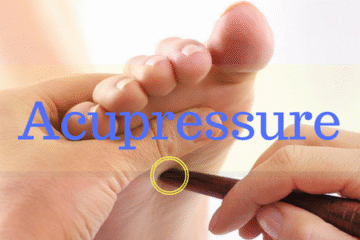
Acupressure: A Natural Path to Balance and Relief
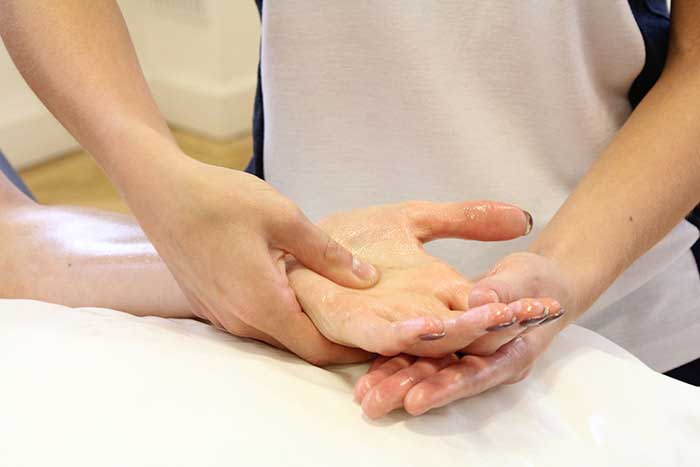
Acupressure is a traditional healing technique rooted in ancient Asian medicine. It involves applying firm but gentle pressure to specific points on the body to stimulate natural healing responses. Unlike acupuncture, acupressure does not use needles, making it accessible, non-invasive, and easy to practice at home.
Used for centuries, acupressure aims to restore balance, reduce discomfort, and support overall well-being by working with the body’s internal energy systems.
What Is Acupressure?
Acupressure is based on the idea that vital energy, often referred to as Qi (chi), flows through pathways in the body called meridians. When this energy becomes blocked or unbalanced, physical or emotional symptoms may appear. By pressing targeted points along these meridians, acupressure helps encourage smoother energy flow and promotes self-healing.
Key Characteristics of Acupressure
-
Hands-only technique using fingers, thumbs, palms, or knuckles
-
No tools or needles required
-
Can be practiced anytime, anywhere
-
Focuses on both physical and mental wellness
How Acupressure Works
Applying pressure to specific points stimulates nerves, muscles, and connective tissues. This stimulation can:
-
Increase blood circulation
-
Encourage the release of endorphins (natural painkillers)
-
Reduce muscle tension
-
Calm the nervous system
Regular practice may support the body’s ability to regulate itself more effectively.
Common Acupressure Points and Their Uses
Different acupressure points are associated with different benefits. Some of the most commonly used points include:
LI4 (Hegu)
-
Located between the thumb and index finger
-
Often used for headaches, toothaches, and stress relief
PC6 (Neiguan)
-
Found on the inner forearm, about three finger-widths from the wrist
-
Commonly used for nausea, anxiety, and motion sickness
ST36 (Zusanli)
-
Located below the knee on the outer leg
-
Known for supporting digestion, immunity, and energy levels
LV3 (Taichong)
-
Found on the top of the foot between the first two toes
-
Used for stress, irritability, and tension
Benefits of Acupressure
When practiced consistently, acupressure may offer a wide range of benefits:
-
Pain management for headaches, back pain, and joint discomfort
-
Stress and anxiety reduction
-
Improved sleep quality
-
Support for digestive health
-
Relief from menstrual discomfort
-
Enhanced sense of relaxation and balance
While results vary from person to person, many people find acupressure to be a valuable complementary practice.
How to Practice Acupressure Safely
Practicing acupressure is generally safe when done correctly. Keep these guidelines in mind:
-
Apply steady, comfortable pressure, not sharp pain
-
Breathe slowly and deeply while holding a point
-
Hold each point for 30 seconds to 2 minutes
-
Avoid injured, swollen, or inflamed areas
-
Stop if you feel dizziness or discomfort
For chronic or serious health conditions, acupressure should complement—not replace—professional medical care.
Acupressure vs. Acupuncture
Although both techniques are rooted in the same principles, they differ in application:
-
Acupressure uses manual pressure and can be self-applied
-
Acupuncture uses thin needles and must be performed by trained practitioners
Acupressure is often preferred by those seeking a gentle, needle-free approach to wellness.
Who Can Benefit from Acupressure?
Acupressure is suitable for:
-
Adults seeking natural stress relief
-
People with mild to moderate pain
-
Individuals looking to enhance relaxation and mindfulness
However, pregnant individuals and those with certain medical conditions should consult a healthcare provider before practicing.
Frequently Asked Questions (FAQ)
1. Can acupressure be practiced daily?
Yes, acupressure can be practiced daily. Gentle, consistent sessions often provide better results than occasional intense pressure.
2. How long does it take to see results from acupressure?
Some people feel immediate relief, while others may notice gradual improvements over several days or weeks of regular practice.
3. Is acupressure scientifically proven?
Research suggests acupressure may help with pain relief, nausea, and stress management, though results vary and ongoing studies continue to explore its full effectiveness.
4. Can acupressure help with sleep problems?
Yes, certain acupressure points are commonly used to promote relaxation and improve sleep quality.
5. Does acupressure have side effects?
When done correctly, side effects are rare. Mild soreness or temporary fatigue may occur in some individuals.
6. Can children use acupressure?
Gentle acupressure can be used for children, but pressure should be lighter and guidance from a trained professional is recommended.
7. Do I need training to practice acupressure?
Basic acupressure techniques can be learned easily, but professional training can provide deeper knowledge for advanced or therapeutic use.