
Skin Care: Science-Backed Strategies for Healthy, Radiant Skin
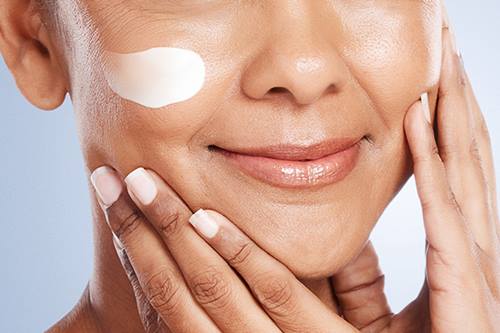
Skin care is more than a cosmetic concern; it is a vital component of overall health and well-being. The skin, being the largest organ in the human body, serves as a protective barrier, regulates temperature, and communicates signals about internal health. Understanding the science of skin care allows individuals to not only enhance appearance but also prevent damage, manage chronic conditions, and maintain the skin’s functional integrity. Effective skin care integrates evidence-based routines, high-quality products, and lifestyle practices that collectively support skin health across all ages.
Understanding Skin Structure and Function
To optimize skin care, it is essential to understand the structure and function of the skin. The skin consists of three primary layers: the epidermis, dermis, and hypodermis.
- Epidermis: The outermost layer acts as a barrier against environmental toxins, bacteria, and UV radiation. The epidermis contains keratinocytes, melanocytes, and Langerhans cells, each contributing to skin protection, pigmentation, and immune response.
- Dermis: Located beneath the epidermis, the dermis is rich in collagen, elastin fibers, and blood vessels. It provides structural support, elasticity, and hydration while housing hair follicles, sweat glands, and nerve endings.
- Hypodermis: The deepest layer contains fat cells that provide insulation, cushioning, and energy storage, playing a crucial role in overall skin resilience.
Healthy skin depends on maintaining the integrity of each layer through proper hydration, nutrition, protection from UV damage, and targeted care routines.
Evidence-Based Skin Care Practices
Effective skin care is grounded in evidence and tailored to individual skin types, conditions, and environmental factors. Implementing scientifically supported practices ensures long-term benefits.
Daily Cleansing and Exfoliation
Proper cleansing removes dirt, excess sebum, and pollutants without disrupting the skin’s natural barrier. Gentle, pH-balanced cleansers are preferable, as harsh soaps can strip natural oils, leading to dryness and irritation.
Exfoliation promotes cell turnover, removes dead skin cells, and supports smoother, brighter skin. Chemical exfoliants like alpha-hydroxy acids (AHAs) and beta-hydroxy acids (BHAs) are often more effective and less abrasive than physical scrubs, reducing microtears and inflammation.
Key considerations:
- Cleanse twice daily to maintain hygiene without over-stripping.
- Exfoliate 1–3 times per week depending on skin type and tolerance.
- Avoid aggressive scrubbing to prevent barrier disruption.
Hydration and Moisturization
Hydration is critical for maintaining skin elasticity and preventing premature aging. Moisturizers not only hydrate but also strengthen the skin barrier. Look for ingredients like hyaluronic acid, glycerin, ceramides, and niacinamide, which enhance moisture retention and support barrier repair.
Best practices:
- Apply moisturizer immediately after cleansing to lock in water.
- Choose formulations based on skin type: lightweight gels for oily skin, richer creams for dry skin.
- Consider layering products with serums for targeted benefits, such as antioxidant protection or collagen support.
Sun Protection and UV Defense
Ultraviolet (UV) radiation is a primary cause of premature skin aging, hyperpigmentation, and increased risk of skin cancer. Daily sun protection is non-negotiable, regardless of weather or season. Broad-spectrum sunscreens with SPF 30 or higher provide effective defense against UVA and UVB rays.
Sun protection tips:
- Apply sunscreen 15–30 minutes before sun exposure.
- Reapply every two hours or after swimming or sweating.
- Incorporate protective clothing, wide-brimmed hats, and sunglasses for comprehensive coverage.
Targeted Treatments for Specific Concerns
Modern skin care allows for targeted treatment of specific issues such as acne, hyperpigmentation, fine lines, and rosacea. Ingredients with scientific validation include:
- Retinoids: Enhance cell turnover, reduce fine lines, and improve texture.
- Vitamin C: Brightens skin and combats oxidative stress.
- Peptides: Support collagen synthesis and skin elasticity.
- Azelaic Acid: Reduces inflammation and pigmentation for acne-prone skin.
Application strategies:
- Introduce active ingredients gradually to avoid irritation.
- Use a combination of serums and treatments to address multiple concerns synergistically.
- Consult dermatologists for persistent or severe conditions to ensure safety and efficacy.
Lifestyle and Nutrition
Skin health is closely linked to lifestyle factors and diet. Hydration, nutrient intake, sleep quality, and stress management all influence skin appearance and function.
Nutritional recommendations:
- Consume antioxidants-rich foods (berries, leafy greens, nuts) to combat free radical damage.
- Include omega-3 fatty acids (found in fish, chia seeds, and walnuts) to support barrier function.
- Maintain adequate protein intake to promote collagen and elastin synthesis.
Lifestyle strategies:
- Ensure 7–9 hours of quality sleep to facilitate skin repair.
- Manage stress through mindfulness, meditation, or exercise, which can reduce inflammation and hormonal imbalances affecting the skin.
- Avoid smoking and excessive alcohol consumption, as they accelerate aging and impair skin integrity.
Advanced Skin Care Techniques
For those seeking advanced outcomes, technological and procedural interventions complement at-home routines. Evidence supports procedures such as:
- Microneedling: Stimulates collagen production and enhances product absorption.
- Chemical Peels: Promote exfoliation, pigmentation correction, and smoother texture.
- Laser Therapy: Targets specific concerns like hyperpigmentation, vascular lesions, and fine lines.
- LED Light Therapy: Reduces inflammation and promotes healing for acne or sensitive skin.
Combining these treatments with a strong foundational routine ensures optimal results while minimizing potential side effects.
Common Skin Care Mistakes and How to Avoid Them
Even well-intentioned routines can backfire if executed incorrectly. Common pitfalls include:
- Over-exfoliation: Can compromise the skin barrier, leading to sensitivity and irritation.
- Skipping SPF: Accelerates photoaging and increases skin cancer risk.
- Using incompatible products: Certain actives may interact negatively, e.g., retinoids with strong acids.
- Neglecting lifestyle factors: Diet, hydration, and sleep significantly affect outcomes.
Awareness and adjustment of these habits ensure that skin care efforts produce tangible, lasting benefits.
Customizing Skin Care for Different Skin Types
Skin types—oily, dry, combination, sensitive, or normal—require specific considerations:
- Oily skin: Lightweight, non-comedogenic moisturizers and gentle foaming cleansers help balance sebum production.
- Dry skin: Rich creams, oils, and hydrating masks support moisture retention and barrier function.
- Combination skin: Target different zones with appropriate products, e.g., mattifying products for T-zone, hydration for cheeks.
- Sensitive skin: Fragrance-free, hypoallergenic formulations reduce irritation risk.
Regular assessment of skin condition ensures the routine evolves in response to changes in environment, hormones, and age.
Integrating a Sustainable Skin Care Routine
Consistency is crucial for achieving long-term skin health. A well-structured routine typically includes:
- Cleansing morning and night
- Exfoliation 1–3 times per week
- Serum application with targeted actives
- Moisturization for hydration and barrier support
- Sun protection daily, reapplying as necessary
Adapting routines seasonally, with age, or in response to skin changes, ensures continued efficacy and protection.
Conclusion
Skin care is an intricate combination of science, lifestyle, and personalized practice. By understanding skin structure, utilizing evidence-based products, and maintaining consistent habits, individuals can achieve and maintain healthy, resilient skin. Integrating advanced treatments, proper nutrition, and sun protection further enhances outcomes. A committed, informed approach empowers individuals to not only improve appearance but also protect the skin’s vital functions and long-term health.
Frequently Asked Questions About Skin Care
1. How can I determine my skin type accurately?
Observe your skin’s behavior throughout the day. Oily skin appears shiny, particularly in the T-zone. Dry skin feels tight or flaky. Combination skin exhibits both patterns. Sensitive skin may react to new products with redness or irritation.
2. Are natural or DIY skin care remedies effective?
Some natural ingredients, like aloe vera or green tea extract, provide antioxidant or soothing benefits. However, DIY remedies may lack standardization, proper pH balance, or safety testing. Evidence-backed formulations offer more predictable results.
3. How often should I change my skin care routine?
Adjust routines seasonally and in response to changes in skin condition, age, environment, or lifestyle. Active ingredients may be rotated to avoid tolerance or irritation.
4. Can diet alone improve skin health?
Diet plays a significant role but is most effective when combined with external skin care, sun protection, and lifestyle habits. Nutrient-rich diets support internal mechanisms but cannot replace topical care entirely.
5. Is anti-aging skin care only for older adults?
No. Preventative skin care, including sunscreen, antioxidants, and hydration, is effective from early adulthood to maintain skin resilience and delay visible signs of aging.
6. How do I layer products correctly?
Apply products from thinnest to thickest consistency. For example, cleansers, toners, serums, moisturizers, and sunscreen. Allow each layer to absorb before applying the next to maximize efficacy.
7. Can stress affect my skin?
Yes. Chronic stress increases cortisol, which can trigger acne, inflammation, and barrier impairment. Stress management is essential for holistic skin health.