
Why It Is Important to Book a Legionella Risk Assessment for Your Property
Legionella bacteria can develop in water systems where conditions such as stagnation, poor temperature control and inadequate maintenance are present. When contaminated water droplets are inhaled, this can lead to Legionnaires disease, a serious and potentially fatal form of pneumonia. To manage this risk effectively and meet legal obligations, duty holders should Book a Legionella risk assessment carried out by a competent professional.
Legal Responsibilities for Legionella Control
UK health and safety legislation places clear duties on employers, landlords and those in control of premises. The Health and Safety at Work etc Act 1974 and the Control of Substances Hazardous to Health Regulations 2002 require risks to health, including exposure to biological agents such as Legionella, to be identified and controlled.
The Health and Safety Executive sets out these responsibilities in its guidance on what duty holders must do to control Legionella , confirming that a Legionella risk assessment is required where water systems are present and could pose a foreseeable risk.
Approved Code of Practice L8 and the supporting HSG274 technical guidance explain how organisations can comply with these duties. Choosing to Book a Legionella risk assessment helps demonstrate that reasonable and proportionate steps have been taken to manage this risk.
Who Should Book a Legionella Risk Assessment?
A Legionella risk assessment is required for a wide range of premises, including offices, industrial sites, hotels, care homes, schools and rented residential properties. Duty holders typically include employers, landlords, managing agents and facilities managers with responsibility for water systems.
The NHS guidance on Legionnaires disease symptoms and risk factors highlights that people over 50, smokers and those with weakened immune systems are more vulnerable to severe illness. This makes it especially important for buildings with vulnerable occupants to Book a Legionella risk assessment and keep it up to date.
What Happens During a Legionella Risk Assessment?
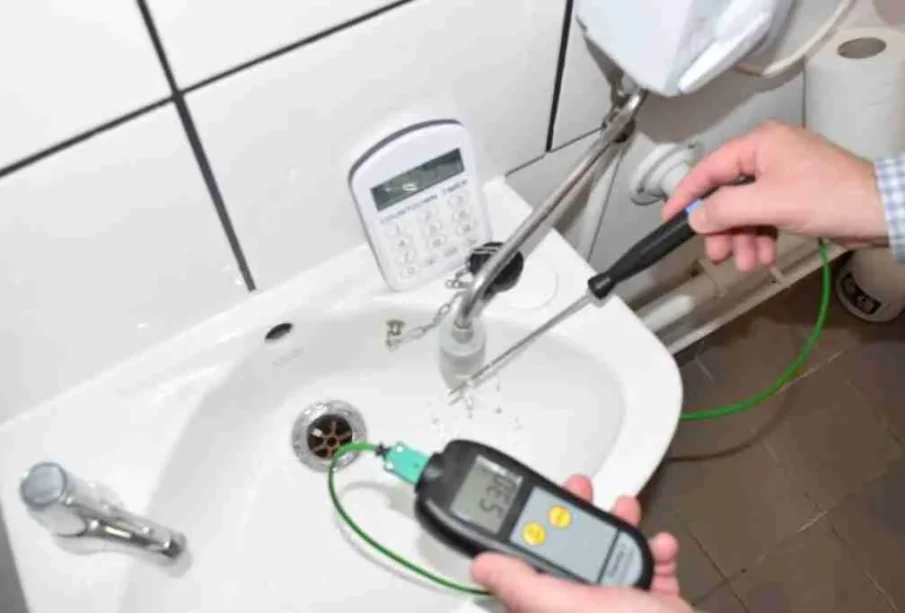
When you Book a Legionella risk assessment , a competent assessor will carry out a structured review of your water systems to identify potential risk factors. The Health and Safety Executive guidance on assessing the risk of Legionella recommends examining system design, water storage, temperatures, outlet usage and maintenance practices.
Typical assessment activities include inspecting hot and cold water services, identifying areas of low usage or stagnation, reviewing temperature control and evaluating existing control measures. The findings are documented and used to inform a written scheme of control, as outlined in the HSE guidance on managing Legionella in water systems .
When Should You Book a Legionella Risk Assessment?
The HSE advises that Legionella risk assessments should be reviewed regularly and whenever there are significant changes to the water system, building layout or occupancy. While there is no fixed review period set in law, industry best practice is typically every two years, or sooner if risks increase.
Choosing to Book a Legionella risk assessment at the right time helps ensure compliance is maintained and risks are controlled effectively.
Why Booking a Professional Assessment Matters
Legionella risk management is a specialist discipline and inadequate assessments can leave organisations exposed to enforcement action and health risks. Using a competent provider ensures assessments align with Approved Code of Practice L8, HSG274 and current HSE expectations.
This guide explaining how to Book a Legionella risk assessment outlines what duty holders should expect from a compliant assessment and how it supports effective Legionella control.