
Meditation: Unlocking the Full Potential of Mind and Body
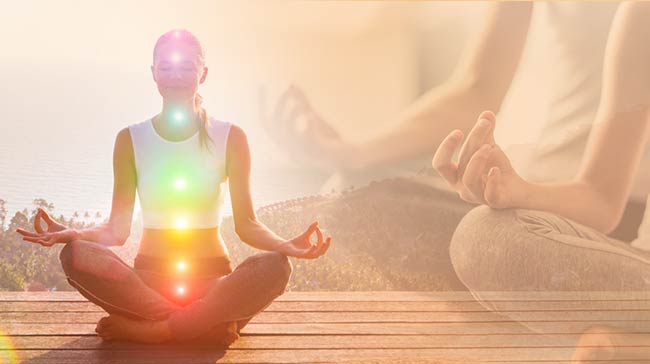
Meditation is far more than a practice of sitting quietly and focusing on the breath. It is an ancient discipline with a profound impact on mental, physical, and emotional well-being. In recent decades, research has revealed that meditation is not only a spiritual or philosophical pursuit but a scientifically supported method for enhancing brain function, emotional resilience, and overall health. Integrating meditation into your daily life can transform your perspective, elevate cognitive function, and foster a deeper sense of inner calm.
Understanding Meditation and Its Core Principles
Meditation is a practice that trains attention and awareness, fostering a mentally clear and emotionally calm state. While often associated with mindfulness, meditation encompasses a variety of techniques aimed at achieving different outcomes, from stress reduction to heightened cognitive performance.
Core principles of meditation include:
- Focused Attention: Directing attention to a single point, such as the breath, a mantra, or a visual object.
- Open Monitoring: Observing thoughts and sensations without judgment or attachment, often associated with mindfulness meditation.
- Automatic Self-Transcending: Moving beyond focused attention and monitoring to reach a state of pure awareness and presence.
Meditation is not limited to any one belief system or culture. Its adaptability allows individuals from all walks of life to find techniques that resonate with their unique needs and goals.
Scientific Benefits of Meditation
Meditation is not merely anecdotal; a growing body of scientific research confirms its benefits across multiple dimensions of health and cognitive function.
Mental Health and Emotional Regulation
Meditation has profound effects on stress, anxiety, and depression. Studies show that regular meditation reduces cortisol levels, the primary stress hormone, leading to decreased feelings of tension and worry. Mindfulness meditation, in particular, strengthens emotional regulation by enhancing activity in the prefrontal cortex, the area of the brain responsible for executive function and self-control.
Key benefits for mental health:
- Reduces symptoms of anxiety and depression
- Enhances emotional stability and resilience
- Improves self-awareness and empathy
Cognitive Function and Brain Health
Meditation positively impacts cognitive performance, including attention, memory, and problem-solving skills. Research using functional MRI (fMRI) indicates that long-term meditation increases gray matter density in areas of the brain associated with learning, memory, and emotional processing. These neurological changes contribute to sharper focus, improved memory retention, and better decision-making capabilities.
Notable cognitive benefits include:
- Enhanced attention span and concentration
- Improved working memory and cognitive flexibility
- Greater ability to manage multitasking and complex tasks
Physical Health and Longevity
Beyond mental and cognitive benefits, meditation influences physiological health. Regular practice has been linked to lower blood pressure, improved immune function, and reduced risk factors for chronic diseases such as heart disease. Meditation can also aid in pain management by altering the perception of pain in the brain, making it a valuable complementary approach for individuals with chronic pain conditions.
Physical health benefits include:
- Reduced blood pressure and improved heart rate variability
- Strengthened immune system response
- Decreased inflammation and enhanced recovery from illness
Meditation Techniques for Depth and Focus
There are numerous meditation techniques, each offering unique pathways to mental clarity and emotional balance. Choosing the right method depends on personal goals, lifestyle, and preferences.
Mindfulness Meditation
Mindfulness meditation emphasizes non-judgmental awareness of the present moment. Practitioners observe thoughts, feelings, and bodily sensations as they arise, cultivating acceptance and reducing reactive tendencies. This method is particularly effective for stress reduction, emotional regulation, and enhancing attention.
Practice tips:
- Dedicate 10-20 minutes daily
- Sit comfortably and focus on natural breathing
- Gently return attention to the breath when the mind wanders
Transcendental Meditation
Transcendental Meditation (TM) involves the silent repetition of a specific mantra. This technique fosters deep relaxation and allows practitioners to transcend ordinary thought processes. TM has been associated with decreased anxiety, lower blood pressure, and improved overall well-being.
Practice tips:
- Choose a quiet environment with minimal distractions
- Repeat the mantra silently for 20 minutes, twice a day
- Allow thoughts to pass without engaging them
Loving-Kindness Meditation
Loving-kindness meditation, or Metta, focuses on cultivating compassion for oneself and others. By repeating phrases of goodwill and directing positive intentions toward various people, practitioners enhance empathy, reduce social anxiety, and strengthen emotional connections.
Practice tips:
- Begin by generating positive feelings toward yourself
- Gradually extend compassion to friends, family, and even challenging individuals
- Visualize the spread of warmth and kindness throughout the world
Body Scan Meditation
Body scan meditation encourages awareness of bodily sensations from head to toe. This technique enhances mind-body connection, promotes relaxation, and can alleviate stress-related physical tension.
Practice tips:
- Lie down or sit comfortably
- Focus on each body part sequentially, noting sensations without judgment
- Release tension consciously with each exhale
Integrating Meditation into Daily Life
Consistency is critical for experiencing the full benefits of meditation. Incorporating meditation into daily routines does not require hours of commitment; even brief, structured sessions can yield measurable improvements in well-being.
Strategies for daily integration:
- Morning Ritual: Begin the day with a 10-15 minute meditation to set a calm and focused tone.
- Mindful Breaks: Use short, 2-5 minute meditative pauses during work or study sessions.
- Evening Reflection: Conclude the day with meditation to process experiences and promote restful sleep.
- Walking Meditation: Practice awareness while walking, paying attention to each step and breath.
Maintaining a regular practice builds mental discipline, reduces reactive stress, and enhances overall resilience. Journaling experiences or tracking meditation sessions can also reinforce consistency and highlight personal progress.
Meditation and Modern Technology
Contrary to concerns about technology reducing mindfulness, digital tools can support meditation practice. Apps and guided audio sessions provide structured instruction, especially for beginners. Advanced users can leverage wearable devices to monitor physiological markers like heart rate variability, optimizing meditation impact and tracking progress over time.
Technological applications include:
- Guided meditation apps with customizable sessions
- Biofeedback devices to monitor stress reduction
- Virtual communities for support and accountability
Overcoming Common Challenges in Meditation
Meditation can be deceptively challenging, particularly for beginners. Common obstacles include restlessness, intrusive thoughts, and impatience with progress. Overcoming these challenges requires patience, flexibility, and a willingness to explore different techniques.
Strategies to address challenges:
- Set Realistic Expectations: Start with short sessions and gradually increase duration.
- Accept Imperfections: Understand that wandering thoughts are natural; gently refocus attention without self-criticism.
- Experiment with Techniques: Different meditation methods resonate differently; try mindfulness, TM, or loving-kindness to find the best fit.
- Create a Consistent Environment: A quiet, dedicated space enhances focus and reduces distractions.
Persistence and adaptation are key to cultivating a sustainable meditation practice that delivers lasting benefits.
The Future of Meditation Research
The scientific study of meditation continues to expand, uncovering new insights into its impact on mental and physical health. Emerging research suggests that meditation may influence epigenetic markers, potentially affecting gene expression related to stress response and inflammation. Furthermore, neuroscience continues to explore how meditation reshapes neural networks and enhances neuroplasticity, providing compelling evidence for its role in lifelong brain health.
Conclusion
Meditation is a transformative practice that goes far beyond relaxation. It is a comprehensive tool for enhancing cognitive function, emotional balance, and physical health. By integrating consistent meditation into daily life, individuals can achieve greater clarity, resilience, and well-being. With numerous techniques available, meditation offers a flexible, accessible pathway for anyone seeking a deeper connection to mind and body. Whether through mindfulness, transcendental practices, or loving-kindness meditation, the benefits extend far beyond the moments spent in quiet reflection, influencing every aspect of life.
Frequently Asked Questions About Meditation
1. How long does it take to see results from meditation?
While some benefits like relaxation can occur immediately, consistent practice over 4-8 weeks is typically needed for measurable improvements in stress reduction, cognitive function, and emotional regulation.
2. Can meditation replace therapy for mental health issues?
Meditation is a powerful complementary tool but is not a replacement for professional mental health care. It can enhance the effectiveness of therapy and provide additional coping strategies.
3. Is it necessary to meditate daily?
Daily meditation maximizes benefits, but even a few focused sessions per week can improve mental clarity, emotional stability, and overall well-being.
4. Can children benefit from meditation?
Yes, meditation helps children improve attention, emotional regulation, and stress management. Short, guided sessions are especially effective for young learners.
5. Is one type of meditation better than another?
No single technique is superior. Mindfulness is effective for stress, TM for deep relaxation, and loving-kindness for emotional connection. Experimentation helps determine which method aligns with personal goals.
6. Can meditation improve physical health?
Yes, meditation reduces blood pressure, enhances immune response, alleviates pain perception, and contributes to overall physical wellness.
7. How do I handle a busy schedule and still meditate?
Short sessions, mindful breathing breaks, and integrating meditation into daily activities like walking or commuting can make practice feasible even in a tight schedule.